What was positive?
- All respondents agreed ocean health is essential to our future in Aotearoa.
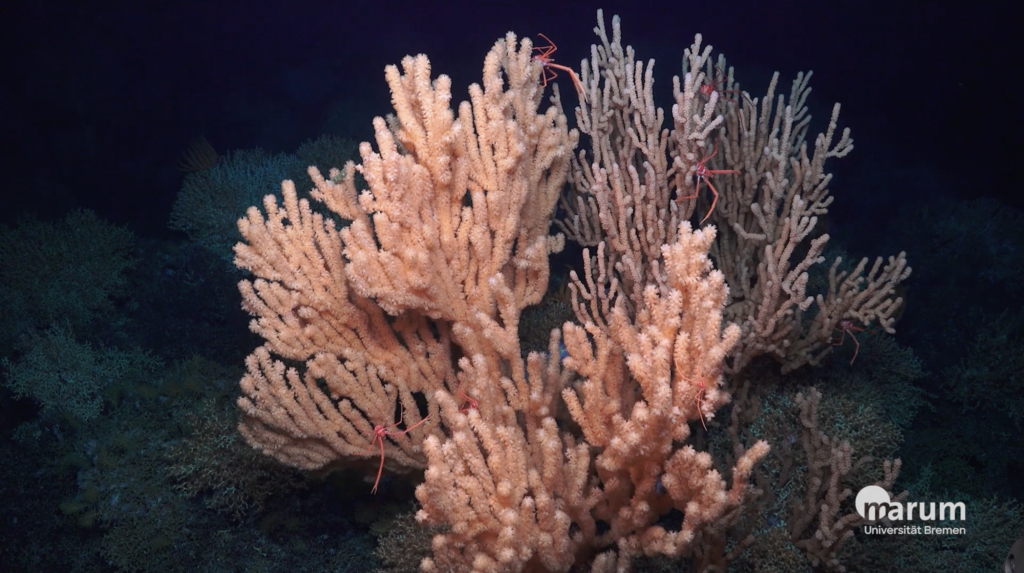
- All agreed seamounts and vulnerable marine areas need protection – in principle.
- All said they would ratify the High Seas Treaty to protect vulnerable ecosystems beyond our territorial waters.
- All said they would support lower impact fishing methods through innovation and research.
Mixed party positions on phasing out bottom trawling
Three parties (the Greens, Opportunity and Te Pāti Māori) say yes to all three questions: they will phase out bottom trawling, beginning with seamounts, in 0-3 years. And support innovation and transition for the industry through collaboration. For the Opportunity Party, this is a bottom line for coalition agreements.
The major parties (Labour and National) made partial or indirect commitments, citing a need to balance Treaty obligations and industry needs. They say they will:
- Establish new marine protection areas over time
- Support fisheries innovation that is lower impact
- Consider targeted protection where there’s evidence of ecological harm
- Review/ban trawling in the Hauraki Gulf
- National says it will set up a $20m Fish Tech Innovation Fund
- Labour says it will stop new bottom trawling on seamounts
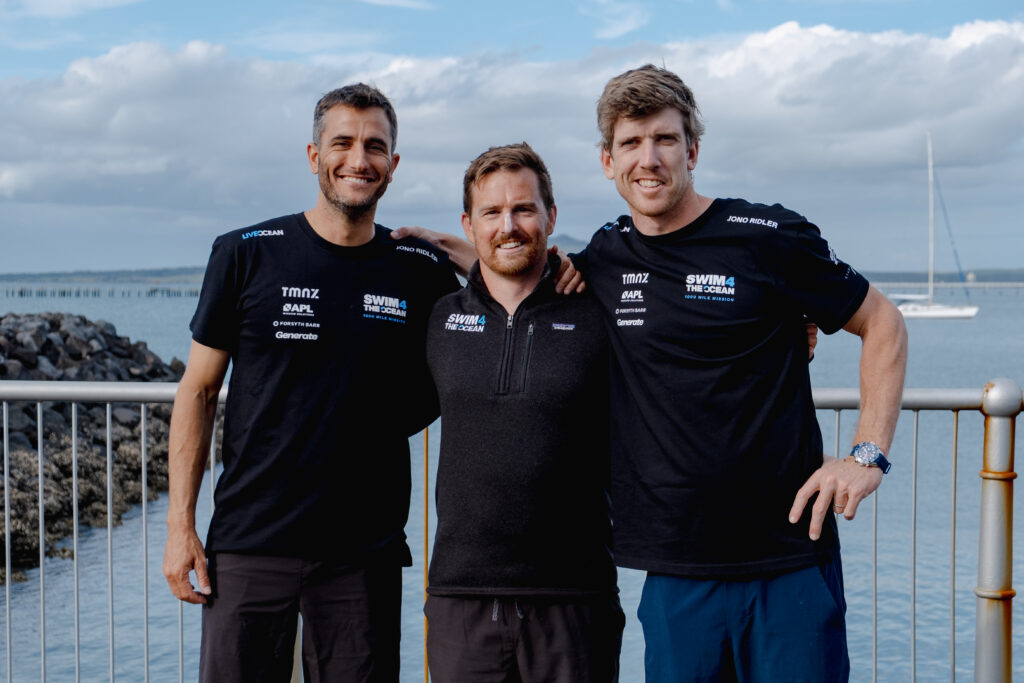
Here are Blair Tuke and Jono Ridler’s thoughts on the political party’s responses:
Q: What did you hear in the responses?
Jono: Firstly, it’s great to see all parties talking about oceans and fisheries, and this being an election issue. I think there’s been great discussion around seamounts, as one of our key campaign messages.
I’m a little disappointed that some commitments have an extended timeframe. We need more action, less talking. What I’d like – and we have seen with some of the parties – is commitment around time bound action, action backed by science that’s credible and moving the ocean health agenda forward in a way that respects economy and different interests.
Blair: It was great to get response from five different parties. The ones that we did receive really covered that top level ambition, that New Zealand’s oceans are a key part of a healthy future on this planet and for us as a country to thrive.
We’re finally seeing the importance of seamounts being recognised as well as the wider impact of bottom trawling. If we look first at seamounts – all parties agree in principle they need protection. But for any protection to stand up, we need it to be ALL seamounts over 100m.
So far only the smaller parties – Greens, Opportunity, Te Pāti Māori – are willing to make that commitment. The commitments from National and Labour are positive but wordy and, I believe, kick it down the road. We need commitment from our leading parties to address bottom trawling on seamounts with a longer-term transition plan for industry practices to change.
Q: What do you see as challenging – or where are there fishhooks?
Blair: When Jono swam into Wellington in early April, and we walked behind him up the steps of Parliament, what he said then has really stayed with me: ‘the pats on the back, the congratulations are great, but that’s not why I’m here. I’m here to make change and for action.’
That stuck with me because the ask we had of government – the ask we have now made of different political parties – was quite pointed: that the NZ government stop giving permits for fishing boats to bottom trawl in areas outside our ocean space; to stop bottom trawling on seamounts, anything greater than 100 metres of the seafloor; and a commitment to phasing out bottom trawling entirely.
Those three asks weren’t just something we stumbled upon: they took a lot of work, sifting through science and research, a lot of people’s work over the last fifteen or twenty years. They show this is where we can make outsized gain and it is a logical place to start.
The Opportunity, Greens, Te Pāti Māori have said, they would commit to all three of those asks. That’s great.
But the responses of the major parties – National and Labour – are wordy and really push it down the road. That’s disappointing.
What Jono swam for was action and to do it now, not in ten or fifteen years’ time, or maybe not even doing it at all.
Q: What is your overall takeaway from party responses?
Jono: I lean towards optimism. The main thing I would like to see – and that’s reflected in our petition and asks – is to really take some firm action in terms of bottom trawling on seamounts.
Blair: Overall optimism. But I would have liked to have seen more from our major parties.
I don’t want Jono’s swim to be in vain. I want it to really drive action and shift the needle for ocean health in this country and for us to have a thriving, abundant ocean for the future. What I’ve seen of those responses, you can’t say that we’re going to have that. So, we’re going to keep pushing and keep driving for real change.